The Allure of Risk
The thrill of risk is a significant psychological driver behind casino gambling. Many individuals are inherently attracted to uncertainty and the potential for substantial rewards. This desire for risk is often tied to the brain’s reward system, where the anticipation of winning activates the same neural pathways as experiences of pleasure, such as eating or social interactions. This physiological response can create a compelling urge to engage repeatedly in gambling activities, with players often chasing the high of their last win, especially when they explore options like instant payid pokies australia real money that offer exciting opportunities. The excitement of betting money and the possibility of winning big pull many into the world of gambling.
This attraction to risk can also be influenced by individual personality traits. Those who possess traits such as high excitement-seeking or lower levels of conscientiousness may find themselves more drawn to gambling. Moreover, situational factors, such as the social environment and availability of gambling options, can enhance the appeal of casino games, generating a sense of community while also elevating the stakes. This combination can deepen emotional engagement, reinforcing the cycle of gambling behavior. For instance, a person may feel emboldened to place larger bets in a lively casino filled with cheering patrons.
However, the allure of risk is not universally positive. Over time, the excitement associated with gambling can lead to addiction for some individuals, as the line between healthy enjoyment and compulsive behavior blurs. Understanding the psychology behind this risk-taking nature is crucial not only for players but also for casino operators who aim to create environments that balance thrill and responsibility. Recognizing the potential for addiction is part of a broader responsibility in promoting safe gambling practices.
The Role of Environment
Casino environments are meticulously designed to enhance the gambling experience, playing a pivotal role in influencing behavior. From the moment individuals step into a casino, they are enveloped in sensory stimuli such as bright lights, vibrant colors, and engaging sounds. These elements serve to heighten arousal and create an atmosphere where time becomes distorted, making it easier for players to lose track of how long they’ve been gambling. The design and layout aim to create an immersive experience that keeps players engaged for extended periods.
The layout of casinos is also strategically planned to encourage longer stays and increased spending. For instance, there are no clocks or windows, which distorts the sense of time and keeps players engaged much longer than they might initially intend. Additionally, the proximity of gaming tables to bars and restaurants creates a social atmosphere that can further entice players to continue gambling, particularly during moments of camaraderie or celebration. This careful orchestration of space and experience is a testament to how environment can manipulate behavior.
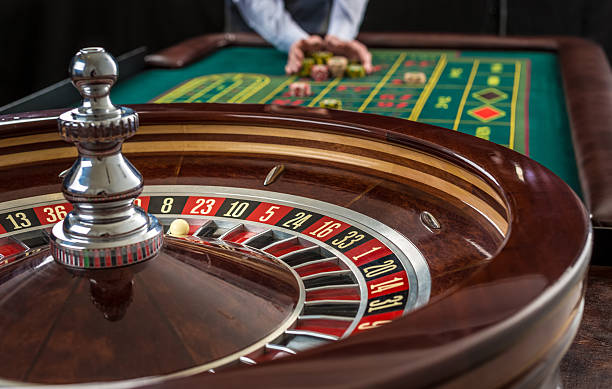
Moreover, casinos often use psychological tricks, such as offering free drinks or rewards programs, to make guests feel valued while subtly encouraging them to spend more. The combination of an alluring physical environment with psychological incentives creates a setting that is uniquely conducive to repeated gambling behaviors, underlining the complex interplay between environment and gambling psychology. Casinos thus become not just places to gamble, but experiences crafted to foster a particular mindset that encourages ongoing participation.
The Impact of Social Factors
Social interaction plays a crucial role in the gambling experience, tapping into the human need for connection. Many individuals choose to gamble not solely for the thrill of winning but also for the communal aspects it brings. Engaging with friends or strangers over a game can enhance enjoyment and lead to increased participation. The social element often transforms gambling into a shared experience, which can be both positive and negative. For example, the joy of celebrating a win with friends can deepen relationships, while the pressure to continue playing can lead to unhealthy habits.
The presence of others can intensify emotions related to gambling. For example, winning can be more exhilarating when shared with friends, leading to a heightened sense of joy and accomplishment. Conversely, losses can feel more profound when experienced in a social setting. This dynamic can perpetuate a cycle where individuals continue to gamble to reclaim losses or seek the shared thrill of a big win, ultimately blurring the lines between entertainment and addiction. The communal aspect of gambling can create a feedback loop that reinforces both positive and negative behaviors.
Additionally, peer pressure can have a significant influence on gambling behaviors. Individuals may feel compelled to bet more or take higher risks to impress their friends or fit in with their social circle. This social validation can provide a temporary boost in confidence, but it can also lead to reckless decision-making and greater financial consequences. Understanding the impact of social factors on gambling psychology is essential for promoting responsible gaming practices and cohesive community dynamics. Recognizing these pressures is crucial for players who want to maintain a healthy relationship with gambling.
Emotional Triggers in Gambling
Emotions play a significant role in the gambling experience, driving individuals to wager under various psychological states. For many, gambling serves as an escape from stress, anxiety, or other negative emotions. The rush of adrenaline that comes with gambling can temporarily elevate mood and provide a sense of relief from everyday burdens. This emotional coping mechanism can lead to habitual gambling as individuals seek to recreate that escape, often without recognizing the underlying patterns driving their behavior. Using gambling as a form of emotional release can create a cycle that is hard to break.

Conversely, positive emotions can also influence gambling outcomes. Feelings of happiness or excitement can lead individuals to take more risks or increase their betting amounts, fueled by the desire to amplify joy. The emotional highs and lows associated with gambling create a complex psychological landscape where players oscillate between hope and despair, often making it challenging to establish a balanced gambling approach. The emotional rollercoaster of wins and losses can cloud judgment and lead to impulsive decisions, further complicating the gambling experience.
The psychology of emotional triggers is further complicated by the presence of cognitive biases that skew players’ perceptions. For example, the “gambler’s fallacy”—the belief that past outcomes affect future results—can lead players to make irrational decisions based on emotions rather than logic. Recognizing these emotional triggers and their implications is essential for fostering a more nuanced understanding of gambling behavior. By being aware of these factors, individuals can better navigate their gambling experiences and make more informed choices.
Understanding Responsible Gaming
In light of the complexities surrounding gambling psychology, the importance of responsible gaming cannot be overstated. As awareness of gambling addiction grows, both players and operators must prioritize practices that foster a safe gambling environment. This includes implementing measures that promote self-awareness, such as setting personal betting limits and recognizing triggers that lead to excessive gambling. A commitment to responsible gaming encourages a healthy balance between entertainment and risk.
Education about the psychological aspects of gambling plays a critical role in prevention. Many organizations and websites provide resources aimed at helping individuals understand their gambling behaviors, encouraging them to make informed decisions. These educational initiatives can serve as a foundation for fostering healthier relationships with gambling, emphasizing enjoyment without the risks of addiction. By empowering players with knowledge, they can make choices that align with their values and life circumstances.
Additionally, casinos can take proactive steps to promote responsible gaming by incorporating features such as self-exclusion programs and offering resources for those seeking help. By cultivating an environment that prioritizes player welfare, casinos can contribute to a healthier gaming culture, addressing the psychological dimensions of gambling while still providing entertainment. This commitment to responsibility not only enhances the gaming experience but also supports the well-being of the community as a whole.