Book of Ra es un juego de casino de Greentube que revela a los jugadores las claves del Antiguo Egipto ocultas en un misterioso tomo. Este videojuego es el precursor de todos los juegos del estilo “Book of” que surgieron después de que Play ‘n GO rehiciera esta atractiva mecánica en su exitoso lanzamiento de 2016, Book of Dead. El original también ha tenido varias versiones, incluyendo una edición con gráficos renovados titulada Book of Ra Deluxe en 2008, que dio lugar a numerosas secuelas en los años siguientes. Si, por algún milagro, no conoces el estilo “Book of” o eres nuevo en el mundo de las apuestas online, hagamos un breve resumen. La mecánica principal gira en torno a un Símbolo Expansivo elegido al azar durante las tiradas gratuitas, que puede otorgar ganancias independientemente de la secuencia de izquierda a derecha. Además, la cuenta matemática presenta una tabla de pagos bastante sólida, con ganancias de hasta 555 veces la apuesta para una sola línea del símbolo superior y una ganancia máxima general de 5000 veces la apuesta.por enlace bookofraslot.com.es sitio web
Book of Ra es un juego de video de Greentube con 5 carretes, 3 filas y 9 líneas de pago. Los jugadores pueden seleccionar su riesgo entre varias opciones, desde una apuesta mínima de 0,01 hasta una máxima de 45. El juego ofrece un RTP predeterminado del 96,06%, aunque también hay varias variaciones disponibles para los operadores, como 95,10%, 94,26%, 92,13%, 90,05% y 88,21%. Los jugadores experimentarán una alta volatilidad, con una ganancia máxima limitada a 5000 veces la apuesta. La regularidad esperada en el juego base es de alrededor del 30%.
El juego utiliza solo unos pocos atributos, que a su vez se corresponden con pagos sustanciales por aciertos en las líneas de pago normales. Las características de Book of Ra son los comodines Scatter y los giros gratis.
Detalles de la publicación de la versión para móviles de Ra
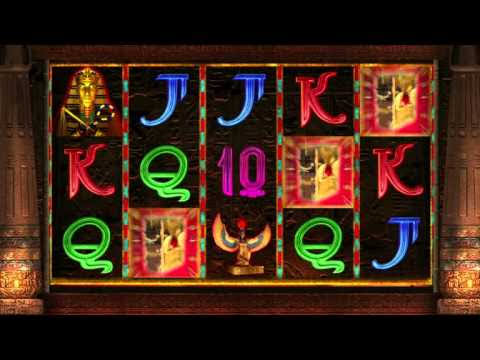
El escenario principal ofrece una composición audiovisual bastante simplificada, pero para un videojuego que tiene sus orígenes en casinos físicos y que se lanzó alrededor del año 2004, esto no es de extrañar. Un fondo negro con un par de formas triangulares que imitan pirámides y un trozo de cielo rosado es todo lo que podemos ver alrededor de la cuadrícula. Dos pilares dorados flanquean el área de juego por los lados, mientras que los carretes están divididos por líneas verticales rojas y azules. Los sonidos tienen principalmente un aire de juego, bañando el ambiente con todo tipo de trinos y timbres. Para obtener una combinación ganadora, deben alinearse un mínimo de 3 símbolos iguales (o solo 2 en el caso de los iconos de alto valor) en cualquiera de las líneas de pago, utilizando rodillos adyacentes, comenzando desde la izquierda. Independientemente de su antigüedad, el videojuego ofrece un diseño global optimizado para dispositivos móviles que se puede disfrutar en todos los dispositivos modernos, desde ordenadores de escritorio hasta smartphones y tabletas.
Entre los símbolos de bajo valor, encontramos las figuras clásicas: 10, J, Q, K y A, que otorgan entre 11,1 y 16,6 veces la apuesta por una combinación de 5. Los símbolos de alto valor están representados por un escarabajo, una estatua de Ra, un ataúd y el aventurero. Premios por conseguir 5 símbolos iguales en la línea de pago: de 83,3 x a 555,5 x la apuesta.
Comodines Scatter
El símbolo que da título al juego funciona como Scatter, activando la bonificación de giros gratis, y también como Wild, sustituyendo a cualquier símbolo ganador en una línea de pago. Además, ofrece su propio rango de premios de 2 x a 200 x la apuesta por conseguir de 3 a 5 en cualquier posición de la pantalla.
Giros Gratis
Conseguir 3, 4 o 5 Scatters activa la bonificación de 10 giros gratis. Antes de que comience la ronda, se selecciona aleatoriamente un símbolo ganador para que funcione como Icono Expansivo. Cuando aparece en suficientes rodillos para crear una combinación ganadora, se expande para cubrirlos por completo. Además, las ganancias de los Iconos Crecientes no tienen por qué empezar desde la izquierda del tablero ni seguir a los rodillos adyacentes. Si consigues otro grupo de Scatters durante la bonificación, esta se reactiva con 10 giros adicionales.
Conclusión sobre la versión Port de Public Ra
Publication of Ra es un clásico indiscutible que se ha ganado un lugar en la historia de las apuestas online. La enorme cantidad de copias, versiones y derivados de esta sencilla pero potente tragamonedas es prueba suficiente de su calidad. Es cierto que, al momento de escribir esta reseña, casi veinte años después de su lanzamiento original, puede parecer anticuado, pero su ingenio permanece intacto. Sin embargo, si los gráficos clásicos no son de tu agrado y prefieres un toque más moderno, hay una enorme selección de juegos de alta calidad para elegir.
Si nos mantenemos en la temática del Antiguo Egipto, encontramos Book of Power de Relax Video Gaming y Publication of Destiny de Publish Studios. Book of Books de Peter & Sons ofrece una ambientación medieval con gráficos de dibujos animados. Y si prefieres un ambiente más oscuro, no te pierdas Publication of Darkness de Nolimit City.
El diseño tecnológico del juego quizás no sea el más sofisticado, pero la posibilidad de obtener un único icono expansivo lo compensa con creces. Resulta muy atractivo que solo necesites obtener suficientes iconos en cada rodillo para ganar en las 9 líneas de pago. Claro que empezar la ronda con uno de los símbolos de menor valor puede ser frustrante, pero incluso esos símbolos pueden dar lugar a una buena ganancia, dada la sólida tabla de pagos. Por ejemplo, obtener una pantalla completa de ’10’ ya supone una ganancia de 100 veces la apuesta. Y si por casualidad llenas la cuadrícula con el símbolo del aventurero que más paga, obtienes un adelanto de efectivo de 5000x. Bastante aceptable, en general.
Ra’s Bizarre Adventure es un clásico que definió el enfoque de producción de muchos talleres para descubrir. Utiliza una mecánica de juego sencilla con un atributo duradero y una tabla de pagos satisfactoria.