The Thrill of the Game
The allure of casinos lies significantly in the excitement they provide. Many individuals are drawn to the thrill of gambling, which offers an adrenaline rush that is difficult to replicate elsewhere. The atmosphere is often vibrant, filled with bright lights and lively sounds that create a stimulating environment. For those looking for something unique, the option of playing at a 13 dollar neosurf casino can enhance the gaming experience. This sensory experience can make players forget about past losses as they immerse themselves in the game. The anticipation of winning can be incredibly captivating, often overshadowing the reality of previous losses.
Additionally, the psychological aspect of gambling plays a vital role in why people return to casinos. Gamblers often experience what is known as the “near-miss effect,” where a player comes close to winning but ultimately doesn’t. This phenomenon can enhance the desire to continue playing, as individuals believe they are “due” for a big win. This sense of hope, no matter how unfounded, can compel them to return in pursuit of that elusive jackpot, reinforcing the addictive nature of gambling.
Moreover, social interactions within casinos can enhance the overall experience. Gamblers often gather around tables or slot machines, sharing stories and engaging with one another. This social aspect can create a sense of community and belonging, making the experience not just about winning or losing money, but about connection and entertainment. As a result, people may overlook their losses and focus more on the enjoyable moments spent in the company of fellow players.
Chasing Losses
Another reason players return to casinos after experiencing losses is the phenomenon known as “chasing losses.” This behavioral pattern occurs when individuals attempt to recover their lost money by continuing to gamble. The belief that they can win back what they lost can lead to a dangerous cycle of increased gambling activity. The more they lose, the more determined they become to gamble again, often leading to higher stakes and riskier bets in an attempt to regain control over their financial situation.
Chasing losses is frequently fueled by cognitive biases, such as the gambler’s fallacy. This is the mistaken belief that past events can influence future outcomes in a game of chance. For instance, after a series of losses, a player might think they are due for a win, prompting them to gamble even more. Such misconceptions can lead to an escalation of risky behavior, resulting in further losses and emotional distress. Nevertheless, the hope for a turnaround keeps them coming back for more.

In many cases, casinos capitalize on this mindset, encouraging players to keep betting. Promotions, loyalty programs, and bonuses can create an impression that winning is just around the corner. These tactics can further entice individuals to return despite their prior losses, making it increasingly difficult for them to break the cycle. As players believe they are getting closer to a significant win, they may feel justified in continuing to pursue their luck at the tables.
Escapism and Entertainment
For many, visiting a casino serves as a form of escapism. The stressors of everyday life can become overwhelming, and the casino environment offers a temporary reprieve. The excitement of gambling can distract individuals from their problems, allowing them to indulge in a world where they can forget their worries, even if only for a few hours. This aspect of casinos can be particularly appealing to those who are seeking a break from routine or facing personal challenges.
Entertainment is a significant factor that keeps people returning to casinos. Beyond gambling, these establishments often provide a variety of entertainment options, including live music, shows, and gourmet dining. This multifaceted experience appeals to a wide audience, making casinos attractive destinations not only for gamblers but also for individuals seeking a night of fun. Even if someone experiences losses at the gaming tables, the overall enjoyment from other activities can outweigh the financial setbacks.
The social interactions and the excitement of being in a bustling environment further enhance the entertainment value of casinos. Friends and family often visit together, turning a night at the casino into a memorable outing. This camaraderie adds another layer of appeal, as people associate positive experiences with their time spent there. Even after a losing streak, the prospect of enjoying time with loved ones can be a powerful motivator for returning.
The Role of Promotions and Incentives
Promotions and incentives play a significant role in attracting repeat visitors to casinos. Many establishments offer enticing bonuses, cashback deals, and loyalty programs that reward players for their continued patronage. These initiatives can make it easier for players to justify their return, especially after experiencing losses. When players feel they have an opportunity to earn something back, they are more likely to return, fostering a sense of optimism about their next gambling experience.
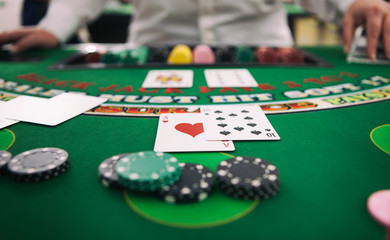
Additionally, casinos often roll out creative promotional campaigns that create a buzz and encourage players to visit. Seasonal events, themed nights, and tournaments can add excitement and provide additional avenues for potential winnings. These promotions further entice individuals to overlook their past losses as they focus on the thrill of participating in a special event. Building anticipation for these occasions keeps players coming back, often believing that their luck will change during the next visit.
Moreover, the personalized treatment many casinos offer to frequent players can enhance loyalty. Players who sign up for loyalty programs are often given special privileges, such as exclusive access to events, personalized service, or complimentary meals and accommodations. This personalized touch makes individuals feel valued, creating an emotional attachment to the casino that may prompt them to return, regardless of previous losses. This sense of belonging can significantly influence gambling behavior in a positive light.
Exploring Responsible Gaming Resources
As the discussion around casinos and gambling continues, it’s essential to address the importance of responsible gaming. Many casinos recognize the potential for addiction and financial strain and have begun implementing practices to promote a healthier gambling environment. Providing resources for responsible gaming, such as self-exclusion programs, budget-setting tools, and support hotlines, can help players make informed decisions about their gambling habits.
Education about the risks of gambling and the signs of problem gambling is crucial. Many casinos are committed to raising awareness and offering guidance to players. Workshops and information sessions can empower individuals to assess their gambling patterns and recognize when it might be time to take a break or seek help. By promoting responsible gaming, casinos can cultivate a safer community for all players, encouraging enjoyment without the adverse effects associated with excessive gambling.
The commitment to responsible gaming not only benefits players but also enhances the casino’s reputation. Establishments that actively promote healthy gambling practices can attract a more diverse clientele, including those who may be hesitant to visit because of the stigma around gambling addiction. By prioritizing player welfare, casinos can create a more sustainable business model that encourages visitors to return for the right reasons while ensuring a balanced approach to entertainment.